Sarawak haze may persist as biomass burning rises
What happened
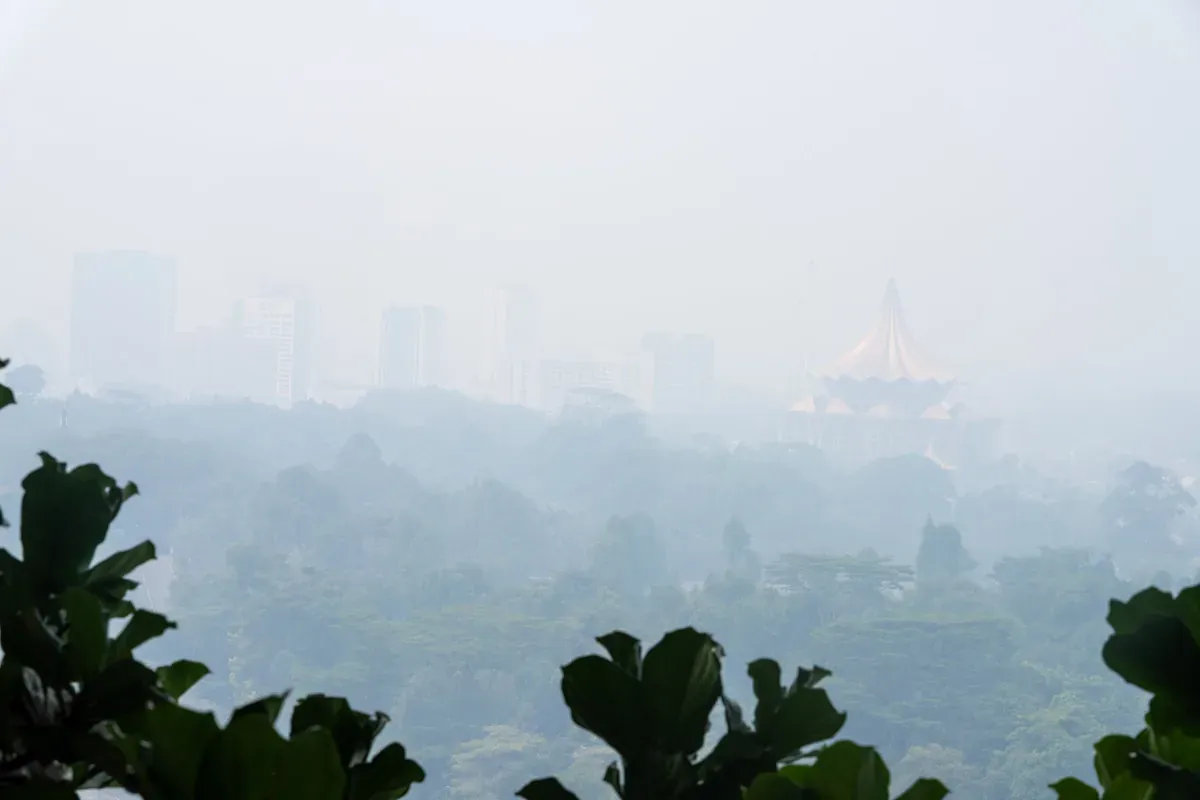
The Natural Resources and Environment Board (NREB) of Sarawak warned that haze could persist if regional biomass burning continues to grow. Nine areas in the state have recorded unhealthy Air Pollutant Index (API) readings. The alert follows increased fire activity in nearby regions.
Why it matters
Persistent haze affects public health, especially respiratory conditions, and disrupts daily activities and businesses. Prolonged poor air quality can lead to school closures, flight disruptions, and reduced tourism. It also signals broader environmental degradation from uncontrolled burning.
Impact on Malaysia
Sarawak's haze is part of a recurring transboundary issue affecting Malaysia. The state's economy, particularly agriculture, aviation, and tourism, faces direct losses during haze episodes. The government may need to allocate resources for cloud seeding and health services if conditions worsen.
Regional context
Biomass burning is common in Southeast Asia during the dry season, often for land clearing. Smoke from such fires frequently drifts across borders, affecting neighboring countries. NREB's warning highlights the need for regional cooperation to address the root causes.
Response and outlook
NREB is monitoring the situation and advising the public to reduce outdoor activities. Local authorities may enforce open burning bans and intensify fire prevention efforts. The outlook depends on weather patterns and whether burning activities subside in the coming weeks.
Key takeaway
Immediate action is needed to mitigate health and economic impacts, but long-term solutions require cross-border collaboration. Residents in affected areas should stay informed and take precautions. The situation remains fluid as the dry season continues.