Sarawak API Hits 235; Kuching, Sri Aman Very Unhealthy
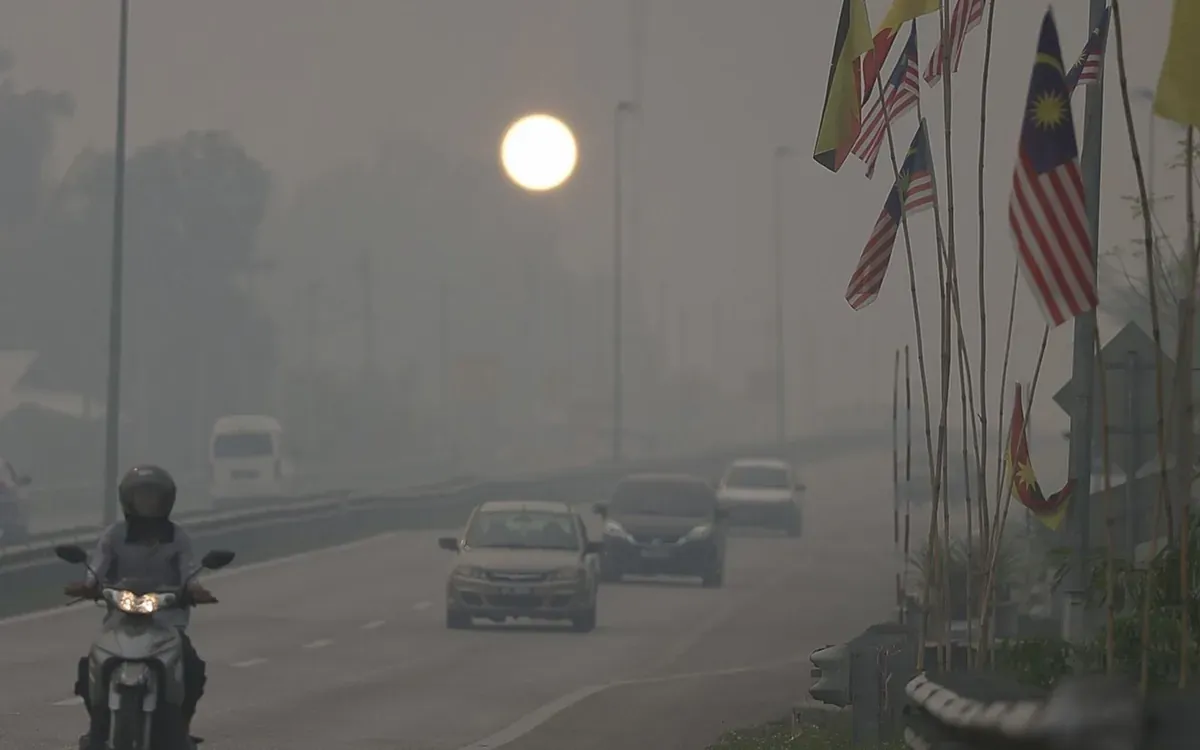
What happened
As at 8 am on September 6, the Air Pollutant Index (API) readings in two Sarawak locations reached very unhealthy levels. Kuching recorded the highest reading of 235, while Sri Aman recorded 216.
The Department of Environment reported the readings through its official API portal.
Why it matters
Very unhealthy API readings indicate that air quality poses health risks. Prolonged exposure can lead to respiratory issues and other problems.
The situation may disrupt daily activities, including outdoor work and school sessions. Authorities often advise residents to wear masks and limit time outdoors.
Impact on Malaysia
The affected areas are in Sarawak, a state on Borneo island. Local authorities may need to activate haze response plans, including distributing masks and issuing health advisories.
This event could affect economic activities such as tourism and outdoor industries. The government may face pressure to address haze sources, often linked to land and forest fires.
Regional context
Air quality problems recur in Malaysia, especially during the dry season. Transboundary haze from neighboring countries often contributes to elevated readings.
Monitoring and early warning systems are crucial for public health. The API scale ranges from good to hazardous, with very unhealthy spanning 201 to 300.
Response and measures
Residents in affected areas are advised to stay indoors and keep windows closed. Using air purifiers and masks is recommended.
Schools and workplaces may consider suspending outdoor activities. Health authorities are likely to issue guidelines for vulnerable groups, including children and the elderly.
What's next
Air quality may fluctuate with weather and fire activity. Continuous monitoring is essential.
Authorities may implement cloud seeding or other mitigation if haze persists. Public cooperation in reducing open burning is also critical.