Sarawak Air Quality Hits Unhealthy Levels in Six Areas
What happened
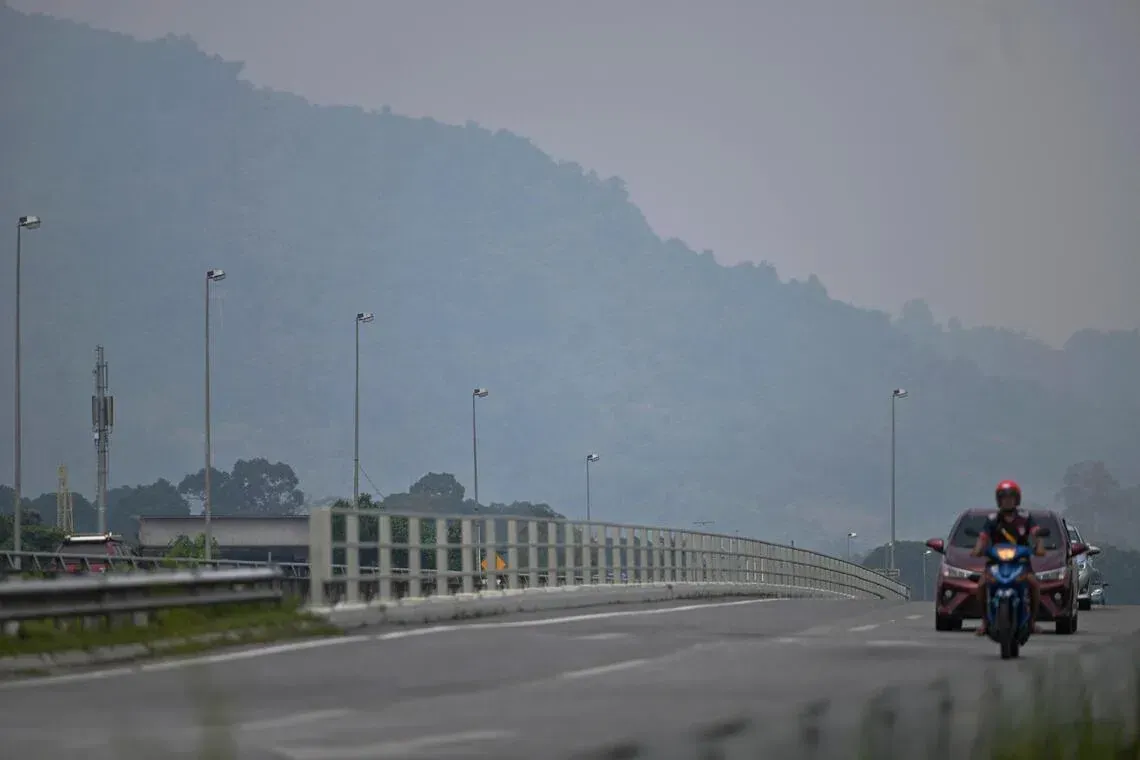
At 9 am today, six areas in Sarawak recorded Air Pollutant Index (API) readings at an unhealthy level. The Malaysian national news agency Bernama reported the figures. The affected areas were not named in the report.
An API reading between 101 and 200 is considered unhealthy. Readings above 200 are very unhealthy, and above 300 are hazardous. The report did not specify exact API values for each area.
Why it matters
Air quality directly affects public health, particularly for vulnerable groups. Unhealthy API levels can cause respiratory discomfort and aggravate existing conditions. Businesses may face disruptions if outdoor activities are restricted.
The haze often originates from forest fires and agricultural burning. Sarawak has experienced recurring haze episodes in recent years. This report signals a potential worsening of regional air quality.
Impact on Malaysia
Malaysia's Department of Environment monitors air quality across the country. Local authorities may issue health advisories or close schools if readings persist. Tourism and outdoor industries could see reduced activity.
Neighboring states may also experience transboundary haze. The situation requires close monitoring by relevant agencies. Public awareness campaigns may be activated to mitigate health risks.
Government response
Malaysian authorities typically activate the National Haze Action Plan when API exceeds 200. They may deploy cloud seeding or other mitigation measures. The Ministry of Health advises the public to minimize outdoor exposure.
No immediate action was announced in the report. Authorities are expected to issue updates as the day progresses. Residents in affected areas are advised to wear masks and stay indoors.
Broader context
Air quality in Malaysia fluctuates seasonally due to monsoons and land-use practices. The country has experienced severe haze events, notably in 2015 and 2019. International cooperation on transboundary haze remains a challenge.
Companies in affected regions may need to adapt operations, such as adjusting work hours or providing protective equipment. Long-term solutions require sustainable land management and regional collaboration.
Looking ahead
Further API readings will likely be released throughout the day. Authorities may declare a state of emergency if conditions deteriorate. The public should monitor official channels for real-time updates.
Businesses and schools should prepare contingency plans. Environmental agencies may increase patrols to detect fires. The situation underscores the ongoing need for proactive air quality management.