Six Sarawak Areas Hit Unhealthy Air Quality
What happened
Six areas in Sarawak recorded Air Pollutant Index (API) readings at an unhealthy level as of 9 am today. The Bernama report did not specify which areas were affected or the exact API values.
The unhealthy air quality comes amid regional haze conditions that often affect Malaysia during the dry season. Authorities have not yet issued additional advisories.
Why it matters
Unhealthy API readings indicate potential health risks, especially for vulnerable groups such as children and the elderly. Prolonged exposure can lead to respiratory issues.
Businesses in affected areas may face disruptions, particularly those relying on outdoor activities or logistics. Schools and workplaces may need to adjust operations.
Impact on Malaysia
The situation highlights ongoing environmental challenges in Sarawak, a state known for its natural resources. Haze episodes typically recur annually, affecting tourism and agriculture.
Local authorities may need to implement mitigation measures, such as cloud seeding or public health warnings. The economic impact could extend to transport and construction sectors.
Regional context
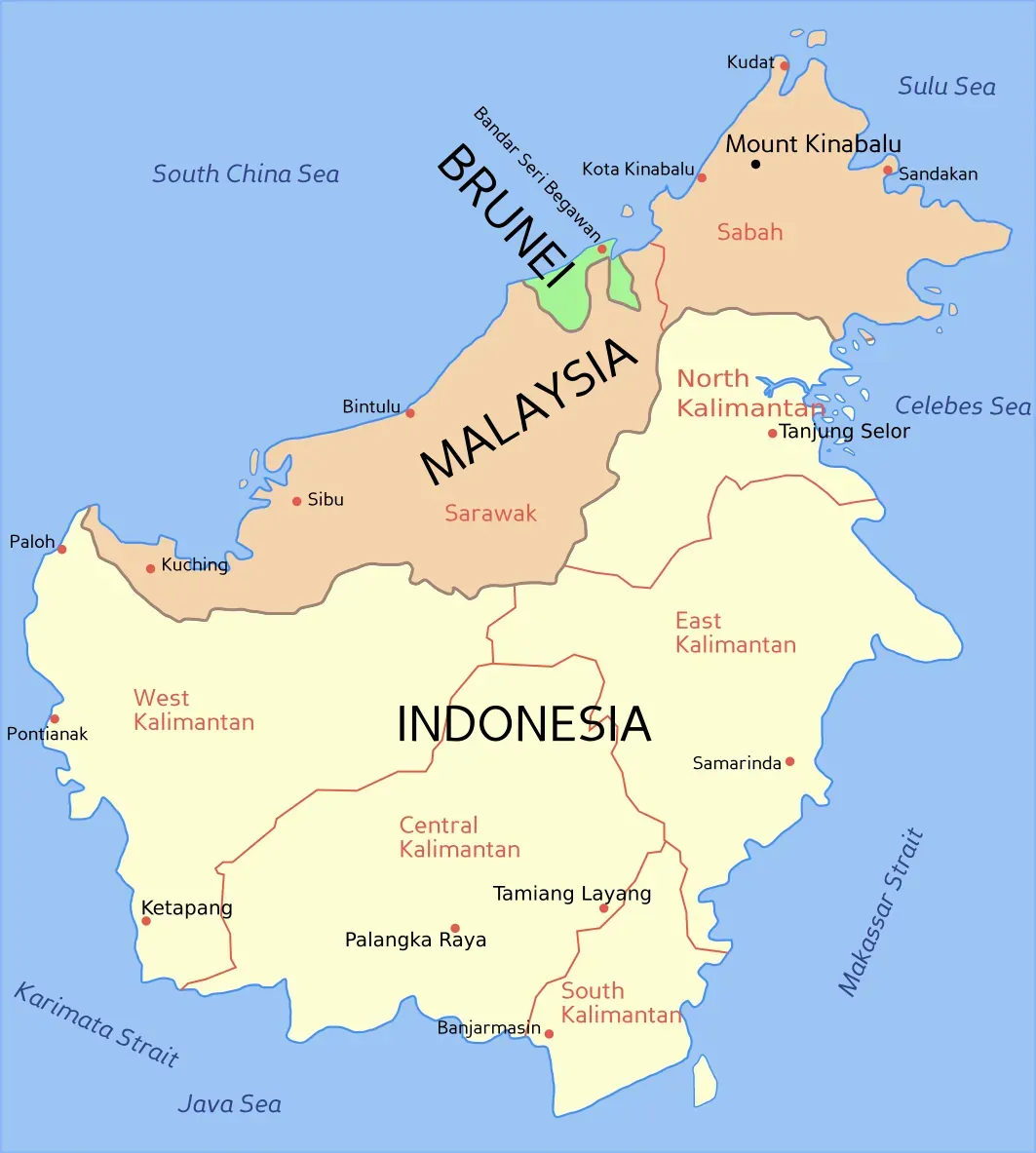
Sarawak shares borders with Indonesia's Kalimantan, where land-clearing fires often contribute to transboundary haze. Coordination between countries is essential to address root causes.
Malaysia has previously faced criticism for slow response to haze crises. Proactive monitoring and transparent reporting are critical for public trust.
What to watch
Further updates from the Department of Environment will clarify the severity and duration of the unhealthy readings. If API levels exceed 200, emergency measures may be triggered.
Businesses should monitor air quality data and prepare contingency plans. Employees working outdoors should use protective masks.
Bottom line
The unhealthy air quality in six Sarawak areas demands attention from both public health and business perspectives. Timely action can mitigate adverse effects.
Stakeholders should stay informed through official channels and adapt to changing conditions.