Sabah Silat Team Misses Medal Target, Eyes Foreign Coach
What happened
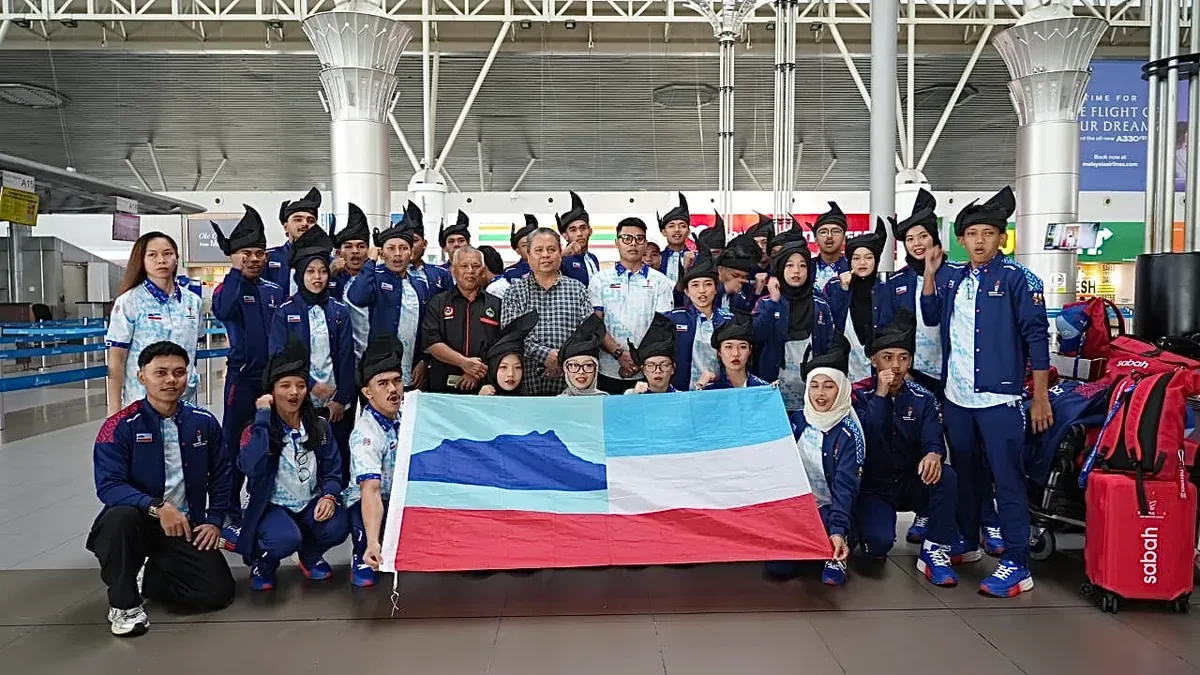
Sabah's Pencak Silat team ended their SUKMA 2026 campaign at Universiti Tenaga Nasional (Uniten) in Kajang on Wednesday, August 20, with a final tally of two gold, two silver, and three bronze medals. The team fell short of their pre-Games medal target, which was not specified.
Pesaka Sabah president Datuk Alijus Sipil acknowledged the shortfall. The state association had expected a stronger showing given past performances.
Why it matters
Missing the target is a setback for Sabah's silat development program. The state now faces a strategic decision on how to improve results.
Datuk Alijus Sipil indicated the association may hire a foreign coach. Such a move would mark a shift in training approach, potentially bringing new techniques and international experience to local athletes.
Impact on Sabah
The result affects Sabah's position in national martial arts. A foreign coach could reshape training methods and athlete preparation.
This decision could also influence funding from the state sports council. It signals a willingness to invest in high-performance coaching.
Context
Pencak Silat is a traditional martial art with deep roots in Southeast Asia, including Malaysia. SUKMA is the biennial national multi-sport event for Malaysian states and territories.
Sabah's seven medals (2 gold, 2 silver, 3 bronze) reflect a moderate performance. The team's inability to meet its target underscores the competitive level at SUKMA.
Reactions
Datuk Alijus Sipil, as president of Pesaka Sabah, is the key figure behind the foreign coach proposal. His statement suggests disappointment but also a forward-looking approach.
No athlete or coach comments were included in the source. The association's next steps will likely be discussed in upcoming meetings.
Looking ahead
The association will need to evaluate candidates and secure funding for a foreign coach. This process could take several months, affecting preparation for the next SUKMA cycle.
Improving medal outcomes will require not just coaching changes but also athlete development programs. The decision marks a proactive response to underperformance.