Sabah targets 'Carbon Value State' status
What happened
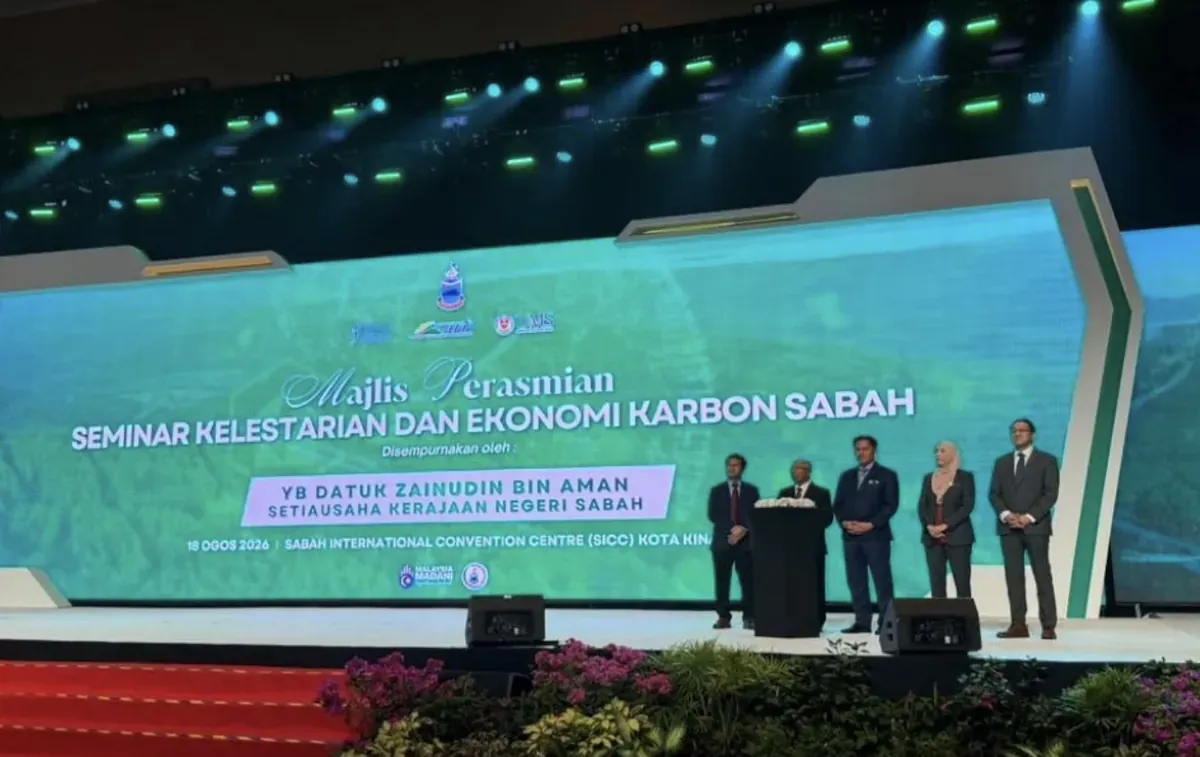
Sabah announced its ambition to evolve from a 'Carbon Negative State' into a 'Carbon Value State'. State Secretary Datuk Zainudin Aman made the announcement in Kota Kinabalu on Aug 19.
The move aims to transform Sabah's natural wealth into economic value, employment opportunities, and sustainable prosperity for its people.
Why it matters
This shift signals a strategic pivot in how Sabah views its environmental assets. Instead of merely offsetting carbon, the state seeks to monetize its natural resources.
Achieving 'Carbon Value State' status would require Sabah to embrace Environmental, Social and Governance (ESG) principles. This aligns with global investor expectations and could attract green financing.
Impact on Malaysia
Sabah is one of Malaysia's largest states by land area, rich in forests and biodiversity. Its success could set a precedent for other Malaysian states.
The initiative could boost Malaysia's position in the global carbon market. It also supports national climate goals while generating local economic benefits.
Key challenges
Transitioning to a carbon value model requires reliable data on carbon stocks and sequestration. Sabah must also ensure that carbon projects benefit local communities.
There is a risk of greenwashing if not implemented transparently. The state will need clear regulations and monitoring to maintain credibility.
What's next
Sabah will likely develop frameworks for carbon trading or ecosystem services. Partnerships with private sectors and international bodies may follow.
The state government must align its policies with ESG standards. Further details on implementation timelines are expected in upcoming announcements.
Bottom line
Sabah's 'Carbon Value State' vision represents a forward-looking approach to climate action. It turns environmental stewardship into a driver of economic development.
Success will depend on execution, stakeholder engagement, and maintaining ecological integrity. The world will watch how Sabah balances profit with preservation.