Malaysia, Indonesia ramp up haze prevention ahead of dry
What happened
Malaysia and Indonesia are stepping up joint efforts to monitor hotspots and curb open burning as a hotter, drier spell looms. Natural Resources and Environmental Sustainability Minister Datuk Seri Arthur Joseph Kurup announced the cooperation on Aug 18 in Kota Kinabalu.
He said Malaysia is transitioning into a challenging period tied to El Niño. The move comes ahead of the usual haze season.
Why it matters
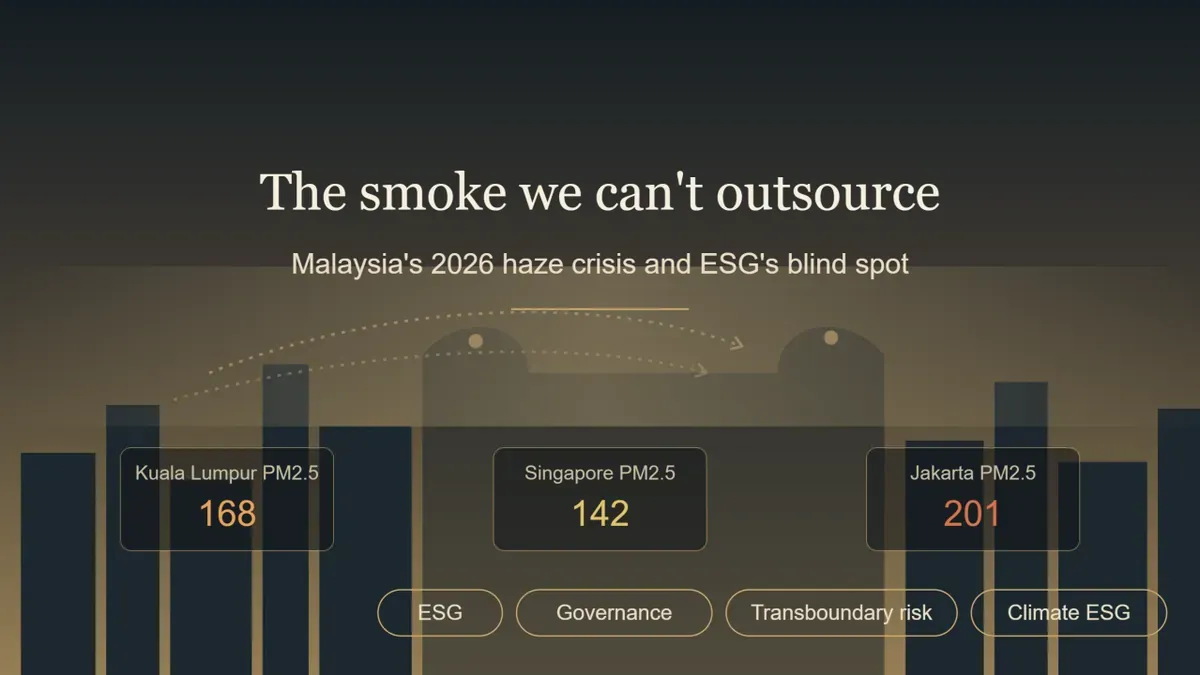
Haze from land and forest fires has caused severe air pollution across Malaysia and neighbouring countries. The dry spell increases the risk of fires, which can disrupt flights, schools, and public health.
Coordinated prevention aims to reduce transboundary smoke. This cooperation signals both governments' commitment to mitigating seasonal hazards.
Impact on Malaysia
Malaysian states, especially those on Borneo like Sabah and Sarawak, are most vulnerable to haze. Monitoring hotspots early can prevent widespread burning and protect communities.
Kurup's remarks underline a proactive stance ahead of the dry season. This effort may also strengthen bilateral ties with Indonesia on environmental governance.
Regional cooperation
Both countries share land borders on Borneo, making joint monitoring essential. The partnership includes sharing satellite data and coordinating on-ground patrols.
Indonesia has faced criticism for allowing slash-and-burn agriculture. This initiative aims to address those issues collaboratively.
What's next
Authorities will likely increase surveillance as the dry spell intensifies. Public advisories on open burning bans may follow in Malaysia.
The effectiveness of these measures will be tested in the coming months. Success could set a precedent for other ASEAN nations.
Business implications
Companies in agriculture and forestry should prepare for stricter enforcement of burning regulations. Businesses reliant on clear skies, such as logistics and tourism, may face disruptions.
Firms should monitor air quality indices and government announcements closely. Early compliance with fire-prevention rules can avoid penalties and delays.