Kelantan's Salor Zapin Heritage Fades Into Oblivion
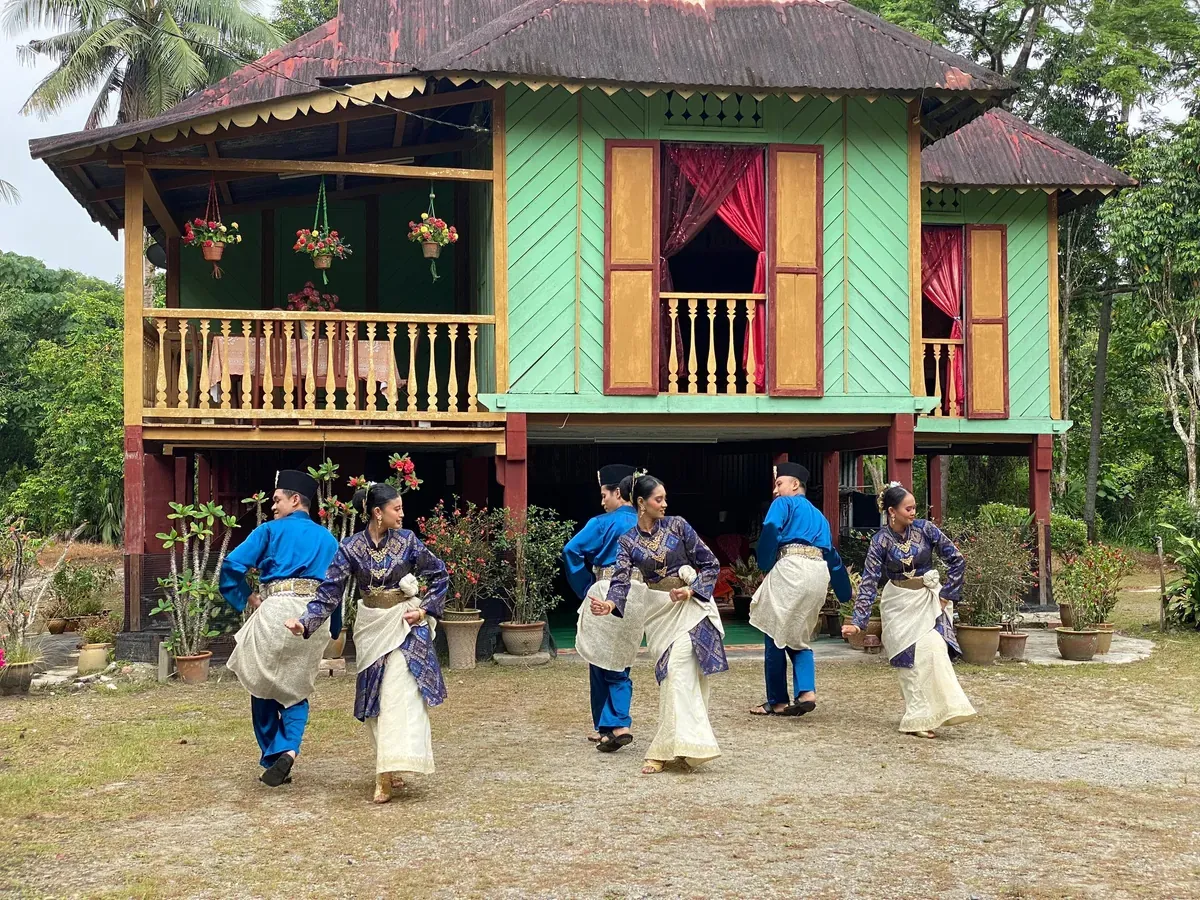
What happened
Salor zapin, a traditional dance from Kampung Salor in Kota Bharu, Kelantan, is slipping into oblivion. Even among Kelantanese, the dance remains little known.
Its songs are sung in the Kelantanese dialect, setting it apart from the more familiar zapin of Johor. The graceful movements might lead some to mistake it for Johor's zapin, but the dialect reveals its true roots.
Why it matters
Salor zapin occupies a distinct place in Kelantan's cultural landscape. It predates the rise of more famous Kelantanese art forms.
Dikir barat, wayang kulit, and mak yong are widely recognized as the state's artistic identities. Salor zapin, however, remains a lesser-known but equally valuable cultural asset.
Impact on Kelantan
The decline of Salor zapin threatens the state's cultural diversity. Losing it would erase a unique aspect of Kelantanese identity.
Preservation efforts have not gained the same traction as those for other art forms. Without intervention, the dance may vanish.
Cultural significance
Salor zapin is rooted in the community of Kampung Salor, Kota Bharu. Its performance blends music and dance in a style unique to the area.
The Kelantanese dialect in its songs reinforces its local character. This distinguishes it from other zapin traditions in Malaysia.
Preservation challenges
Limited awareness among locals is a key obstacle. The dance lacks the visibility enjoyed by dikir barat or wayang kulit.
The source makes no mention of active documentation or revival programs. That suggests a gap in cultural conservation efforts.
Future outlook
The future of Salor zapin remains uncertain. Without renewed attention, it risks being forgotten by younger generations.
Cultural heritage experts and local communities may need to step in. Their involvement could help revive interest in this unique Kelantanese tradition.