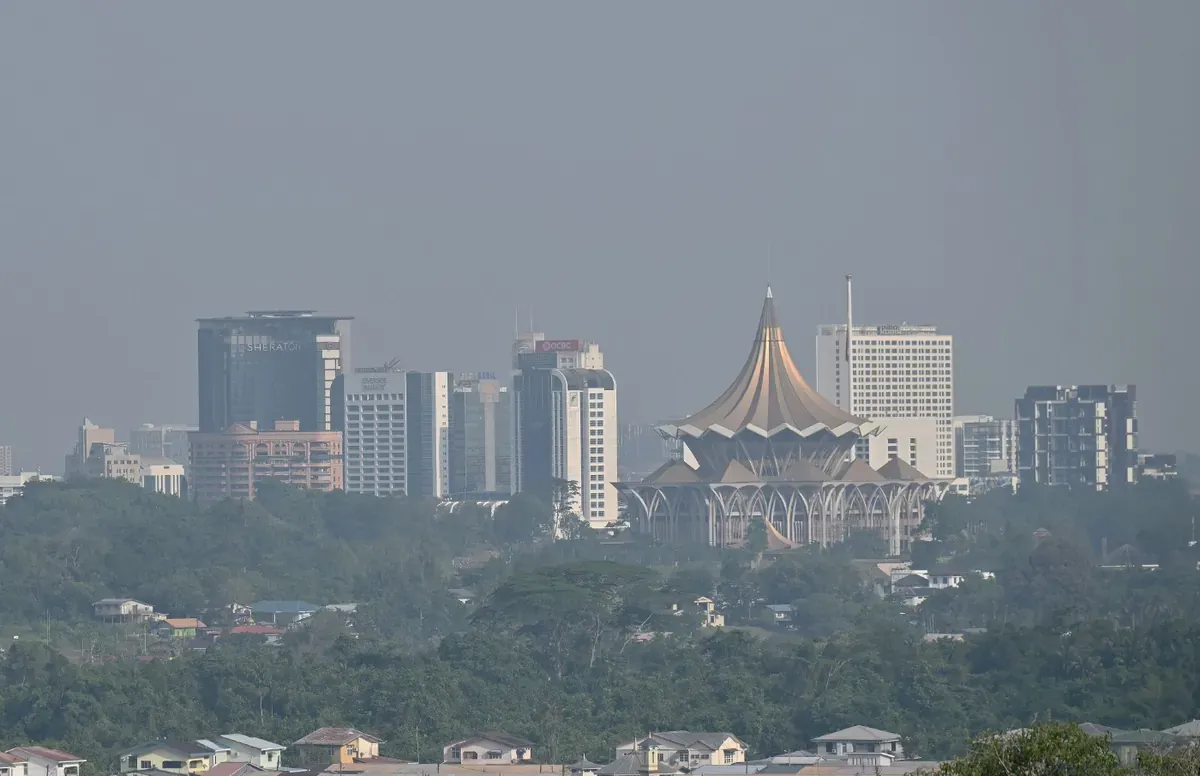
Haze from Kalimantan fires to persist in Sarawak
What happened
Forest and land fires continue in West Kalimantan, Indonesia, according to a CNN Indonesia report. Pontianak recorded the country's worst air quality on Thursday with an Air Quality Index (AQI) reading of 191 as of 6.56am local time.
The ongoing fires are expected to prolong haze in neighbouring Sarawak, Malaysia. The Borneo Post reported the situation on Aug 20.
Why it matters
Haze from cross-border fires affects public health and daily activities in Sarawak. Prolonged haze can lead to school closures, flight disruptions, and increased respiratory illnesses.
The issue also strains bilateral relations between Malaysia and Indonesia. Sarawak residents have experienced recurring haze episodes in recent years.
Impact on Sarawak
Sarawak's air quality is likely to deteriorate as winds carry smoke from West Kalimantan. The state's Department of Environment may issue health advisories if AQI levels breach unhealthy thresholds.
Businesses, especially outdoor industries like construction and tourism, could face operational disruptions. Hospitals and clinics may see a rise in haze-related consultations.
Regional context
West Kalimantan's fires are part of a broader pattern of land clearance during the dry season. The Indonesian agency's AQI reading of 191 falls into the 'unhealthy' category.
Malaysian authorities typically coordinate with Indonesia on fire prevention and haze mitigation. Effective action often depends on weather conditions and enforcement on the ground.
Response and outlook
Sarawak's Disaster Management Committee has not yet issued new directives as of the report. Residents are advised to monitor air quality updates and limit outdoor activities when haze worsens.
Forecasters expect fires to persist until significant rainfall occurs. The haze could last several weeks if dry conditions continue.
What's next
Authorities in both countries will likely step up monitoring and cross-border communication. Further advisories may be issued if the haze worsens.
The public should stay informed through official channels and follow health guidelines as conditions evolve.